


Zoe Goldstein/Vail Daily
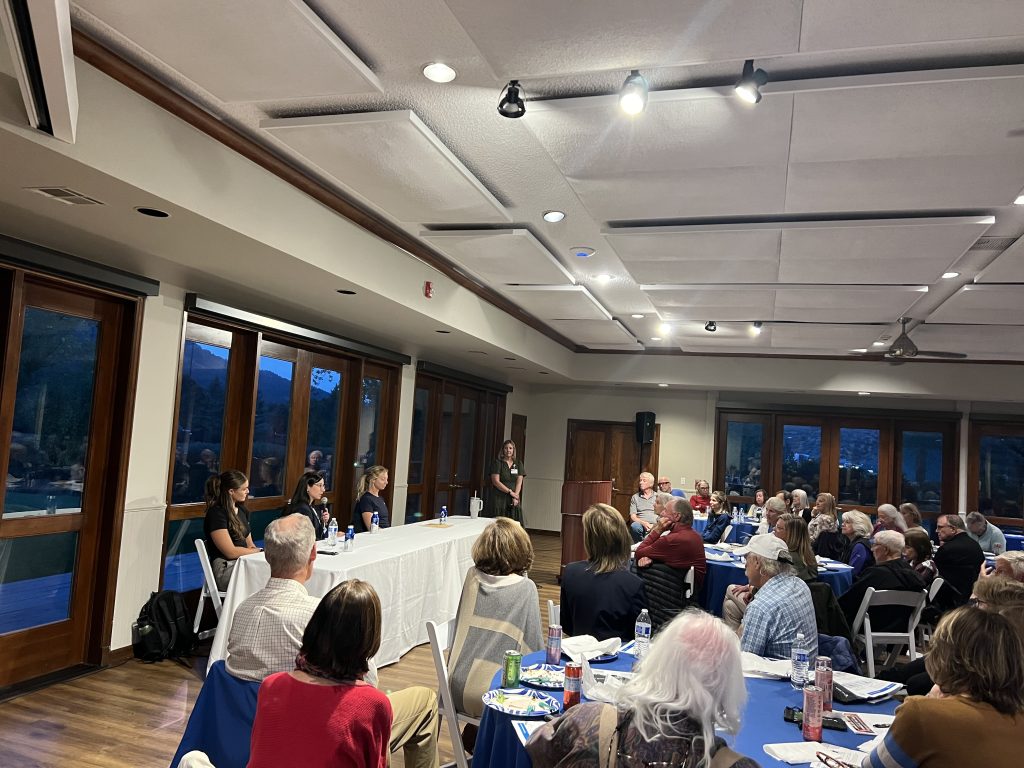
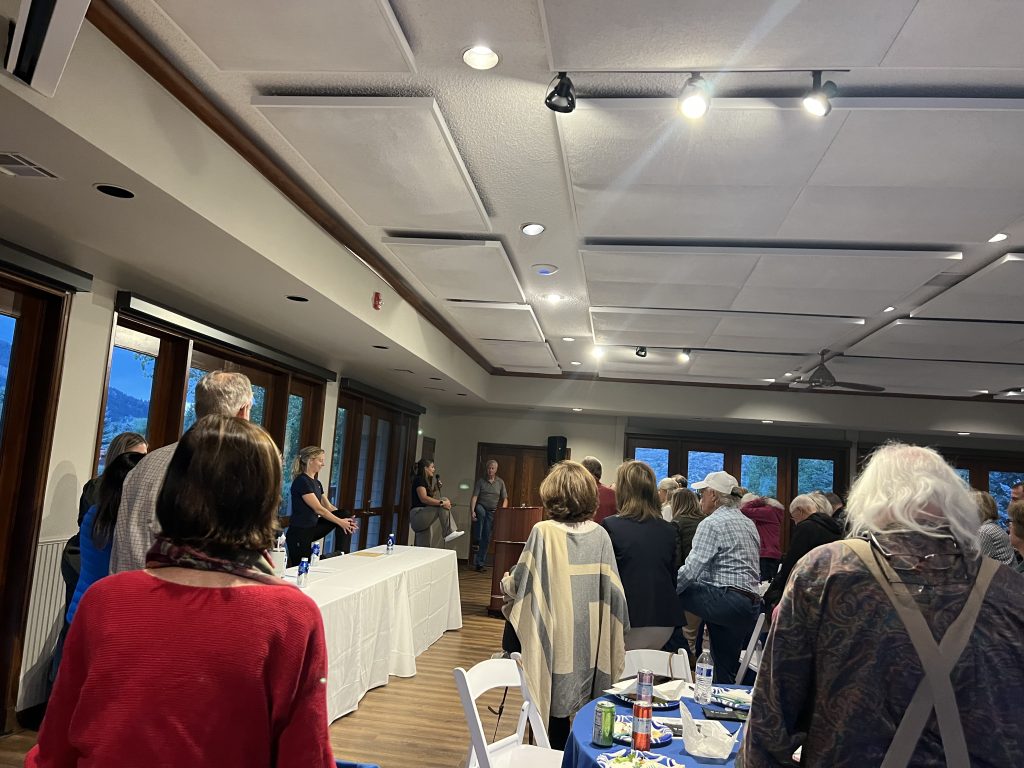
Many people move to Eagle County to pursue a lifestyle in which fitness is naturally integrated. Vail Health hosted a panel Tuesday at the EagleVail Pavilion to discuss how that fitness can be maintained throughout life.
“The truth is, fitness as you age is not about chasing youth. It’s about building confidence, it’s about being able to ski with your grandkids. It’s about hiking with your friends or simply living without fear of falling or losing your independence,” said Dr. Sarah Robinson, a dual board-certified family medicine physician with Colorado Mountain Medical who specializes in primary care sports medicine and nonsurgical orthopedics. Robinson is also the U.S. Ski and Snowboard Team physician.
“What we do in our 30s, 40s, 50s, 60s and beyond shapes how strong and independent we remain decades from now,” Robinson said.
Building and maintaining muscle is crucial
“Muscle is more than strength, it’s your body’s engine,” Robinson said.
For older people, losing muscle leads to slower walking speeds, balance issues, challenges going from sitting to standing and higher risk of falls and fractures. It also affects metabolism, making weight gain and diabetes more likely.

Support Local Journalism
Muscle loss can start as early as 30-years-old. By their 60s, many people have lost up to a third of their muscle mass. With aging, the nerves that connect the muscles slowly decline, along with hormones that support muscle growth like estrogen and testosterone.
Not being active and not eating enough protein exacerbates the problem.
“The good news is that we can slow, stop, or even reverse much of that muscle loss,” Robinson said.
Regular strength training and deliberate protein intake helps protect muscles and bones.
“Think about your muscles like a retirement account. What you deposit now through movement and protein intake will pay dividends for years to come in the form of strength and independence,” Robinson said. “You don’t need to be a bodybuilder.”
Lindsey Duhamel, a physical therapist with Howard Head Sports Medicine, said that building strength, maintaining mobility and staying consistent allow for lifelong activity.
Many people in Eagle County exceed the recommended aerobic goal for health and fitness. But most people in the area fail to meet strength training goals. To begin strength training, start light with bodyweight exercises, resistance bands and light dumbbells, prioritizing the hips, glutes, core and back, Robinson said.
Duhamel said to start each workout with a warmup to increase blood flow, heart rate and muscle activation to decrease muscle strain, reduce stress on the heart and protect joints, and to finish workouts with a cool down and recovery.
Strong muscles, strong bones
Osteoporosis, a condition that weakens bones, is usually not diagnosed until someone breaks a bone or their doctor orders a DEXA scan (a test to measure bone mineral density), Robinson said. Women are four times more likely to have osteoporosis, in large part because many women lose up to 20% of their bone density within the first 5 to 7 years after menopause, when their estrogen levels drop. Hips, spine and wrists are the bones most likely to be broken.
But osteoporosis can also be staved off or prevented by the same activities that stimulate muscle growth.
“Just like muscle, bone adapts when it’s used,” Robinson said. “Weight bearing activities stimulate bone growth, resistance training such as lifting weights and resistance bands adds benefits both to strengthening your bones and your muscle.”
To aid the body in maintaining strong bones, Robinson recommended most people aim to consume 1,000 to 1,200 milligrams of calcium daily from food and supplements. She also suggested most people take Vitamin D supplements, which help the body absorb calcium.
Despite the strength of the sun at altitude, most people living at altitude do not get enough Vitamin D, particularly in the winter when they are wearing a lot of clothing. “If you don’t love taking supplements, at least think about taking them during the wintertime,” Robinson said.
Balance also declines with age. Balance training is important for older adults because falls are the leading cause of fractures, Robinson said.
People with osteoarthritis should stay active
By age 65, nearly one in three people have a form of osteoarthritis, a joint disease that causes pain, stiffness and swelling in the joints, Robinson said.
While it may seem logical to rest a sore or stiff joint, the best course of treatment is the opposite.
“Arthritis does not mean to stop moving. In fact, movement is medicine,” Robinson said. “Patients who stay active actually slow the progression of arthritis.”
Robinson recommended low-impact activities like swimming, cycling, yoga and Pilates.
Strengthening muscles around the joint also reduces pressure on the joint itself.
Body weight also matters when it comes to preventing osteoarthritis. “Every extra pound of weight adds four to six pounds of pressure across the knees or weight bearing joints,” Robinson said.
How altitude affects aging
While there are universal building blocks of how to stay fit as people age, there are also altitude-specific areas of impact and remedy.
Low oxygen levels at altitude can also increase bone turnover, which can accelerate bone loss if nutrition is not adequate.
Sleep quality can also be reduced due to lower oxygen levels at altitude. After age 35, lung function begins to slowly decline. Particularly in areas with lower oxygen levels, like at altitude, older adults may experience symptoms of nocturnal hypoxia, or low blood oxygen levels while sleeping. The condition can be treated with supplemental overnight oxygen after diagnosis by a doctor.
“Definitely ask your primary care physician if you’re having fatigue, morning headaches or just a hard time getting through the day,” Robinson said.
Exercise as a tool for mental health
Outside of helping prevent or remedy physical ailments, exercise is “one of the most powerful tools we have for mental health,” said Genevieve Harrison, a professional ultra runner and health coach with Vail Healthspan.
People are most successful in committing to fitness routines when they establish their “why” for doing it, Harrison said. “Fitness really sticks when it connects to what matters most. Maybe that’s being present with your family, managing your stress or protecting your long-term health,” she said. “It’s better to do something small most days than to chase the perfect workout once in a while.”
Making fitness fun is important, Harrison said. This might look like changing up routines, exercising in a new place or exercising with a friend. “We are wired as humans to move together,” Harrison said.
Harrison suggested people adopt regular habits that allow them to be more fit, like active commuting or incorporating exercise snacks, or very short periods of exercise, throughout the day.
Recovery activities can also be fit into regular life activities. “You can stretch while cooking. You can foam roll while watching TV. You can hydrate before your morning coffee, like we all hope to do one day,” Duhamel said.
link
More Stories
Banks are becoming bulwarks against scams for vulnerable seniors | Lifestyle
California Spends $300 Million a Year Incarcerating Older Women
New ‘care home’ for seniors aims to bring alternative to home health care