



NASHVILLE, Tenn. (WSMV) – People with disabilities across the country are now bracing for the possibility of losing some or all of their healthcare coverage after Congress passed President Trump’s “One Big Beautiful Bill Act” (OBBBA) Thursday.
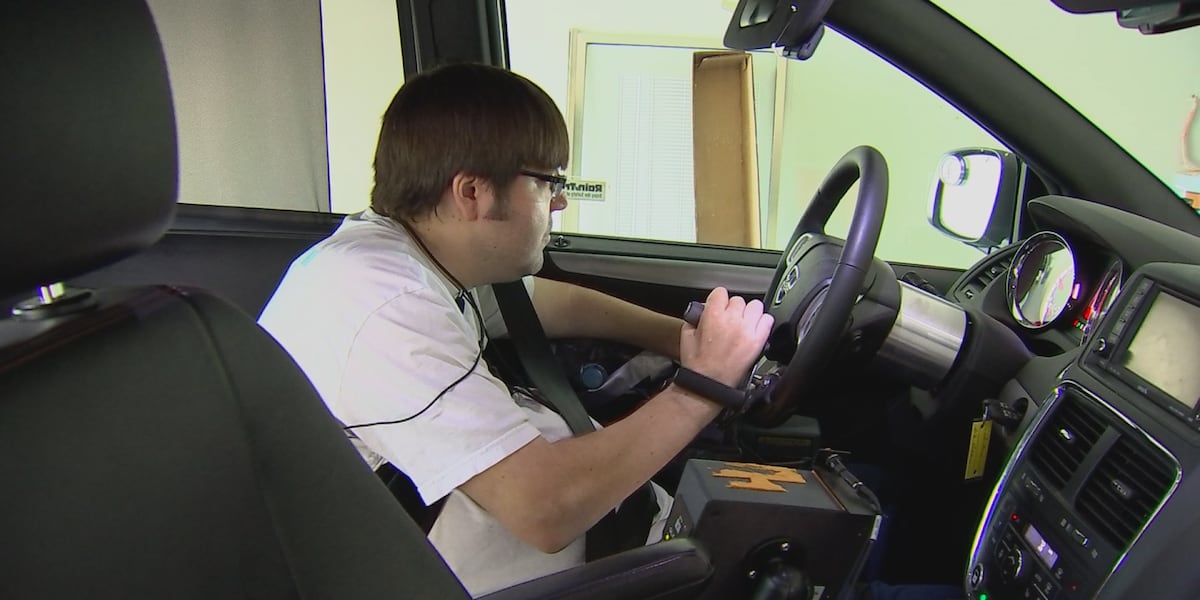
That includes Middle Tennessee State University faculty member Dr. Gerald Christian, who was paralyzed from the armpits down after a car accident when he was 16.
“I’ve been really stressing about the bill and the Medicaid cuts, because, I mean, it is literally my whole life,” Christian said. “Everything I do revolves around it, and comes down to it. I wouldn’t even be doing this interview if my Medicaid worker hadn’t come this morning.”
Christian said he uses Medicaid services every day to support his life and his career. Without it, he said paying for medical necessities like his $6,000 wheelchair and more than $100,000 custom van wouldn’t have been possible. Plus, he said the home healthcare he needs would cost him at least $50,000 per year out-of-pocket.
“I talk about caregivers from Medicaid and CHOICES that come and get me out of bed, and help me to look good, to go out in the world, and help other people, and pay taxes and stuff, but the other side of it, the less pretty side is the medical stuff,” Christian said. “I have to have skilled nursing to help with bowel and bladder care, and skin care, and stuff like that, because, you know, if I don’t have help with that, like, I literally will die.”
Christian works as the Associate Director of the Disability and Access Center at MTSU where he helps students with disabilities get access to the resources they need to succeed.
“I do so much on campus at MTSU, or in the community here with adaptive sports, public speaking with kids and teens at Patterson Park, or the Boys and Girls Club,” Christian said. “It’d be really sad if I would have never got to do any of that stuff, because I was just rotting in a nursing home, or worse, dead.”
The OBBBA cuts almost $1 trillion from Medicaid and other healthcare insurance programs. It’ll likely result in more than 11.8 million Americans losing healthcare over the next decade.
“Honestly, I don’t even know what a world without it looks like, because it just supports so many people in so many different ways, and just to take that away, you know, would be really ugly, and impact a whole lot of people,” Christian said.

Here are instructions on how to watch WSMV4 live on various platforms.
Proponents of the cuts said they’re aimed at making sure people don’t take advantage of the system, but Christian said that’s a problem the current system already addresses.
“I have to use leave from my job to routinely meet with TennCare Medicaid workers to prove that I’m disabled,” he said. “There’s a system in place for that, and so go analyze, look at your clients, and if it looks fishy or seems fishy, okay, maybe there’s somebody you need to cut, but when you make broad sweeping cuts, there’s no way you can take away billions without just impacting more than the scammers.”
Christian said programs like Medicaid are worthy of American tax dollars because they enable many people to be contributing members of their communities.
“If I have Medicaid home health services, for example, I was able to go to school and get my PhD,” he said. “I can work, and be active in the community, help other people. That stuff is upsetting, especially when I could just sit here at home. I do actually have an Xbox and love video gaming, and playing my drums. I could just sit and do nothing, you know, while getting Medicaid services or whatever, but I choose to go out and work and pay taxes, and I know those taxes are going to go help other people, and I’m fine with that.”
President Trump is expected to sign the bill into law on Friday.
Copyright 2025 WSMV. All rights reserved.
link
More Stories
Preparing a “Landing Pad”: Mitigating OBBBA’s Harms to the Medicaid Safety Net
Adults with Intellectual and Developmental Disabilities Face Critical Mental Health Care Gaps, New Study Finds
Alabama Neurodevelopment Center aims to boost mental health resources in Birmingham, the state