



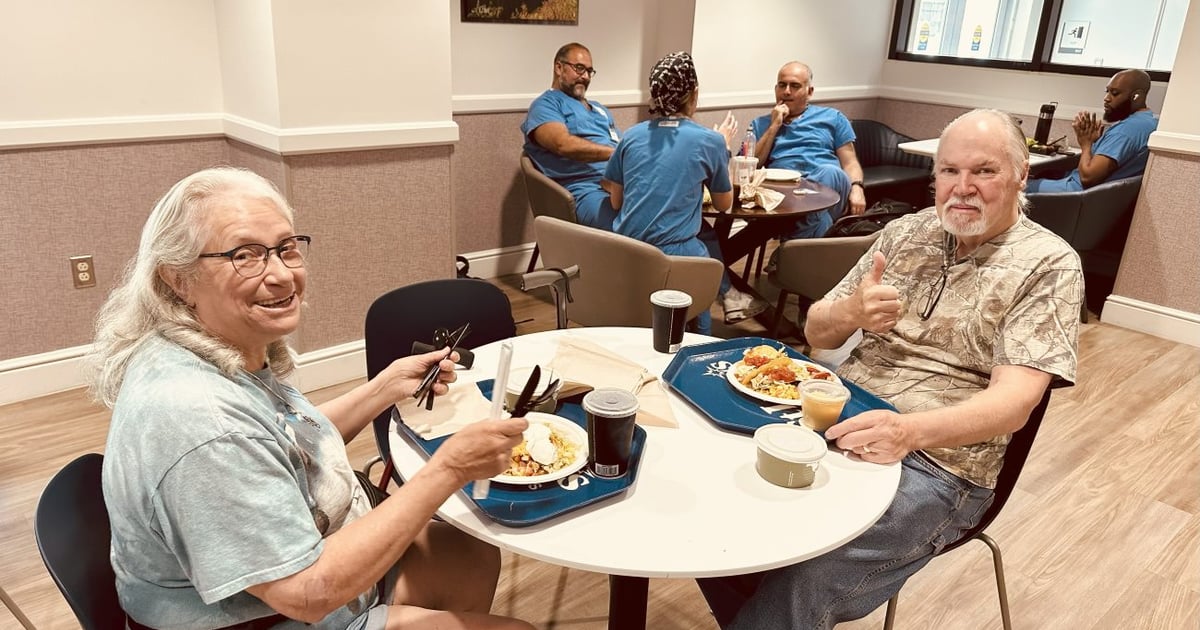
The simple concept of affordable, home-style meals for older adults has grown into a community rallying point for seniors at campuses of St. Luke’s University Health Center Network. The Older Adult Meal Program, operated by Metz Culinary Management, draws seniors in increasing numbers to nine hospital cafeteria locations for a nourishing dinner, along with companionship and health education.
The Bethlehem, Pennsylvania-based network’s aim is to address two of the major issues confronting an aging population: access to good, affordable meals and to give otherwise lonely, isolated seniors fellowship with others in their age group.
“The initial impetus of the program was to get Older Adults comfortable leaving their homes again post-[the COVID-19 pandemic],” says Matt Furlan, district manager for Metz Culinary Management, which operates the cafeterias on all St. Luke’s campuses. “Concerns about exposure led many older adults to avoid grocery stores, congregate meal sites or restaurants, which further limited their access to healthy, affordable food.”
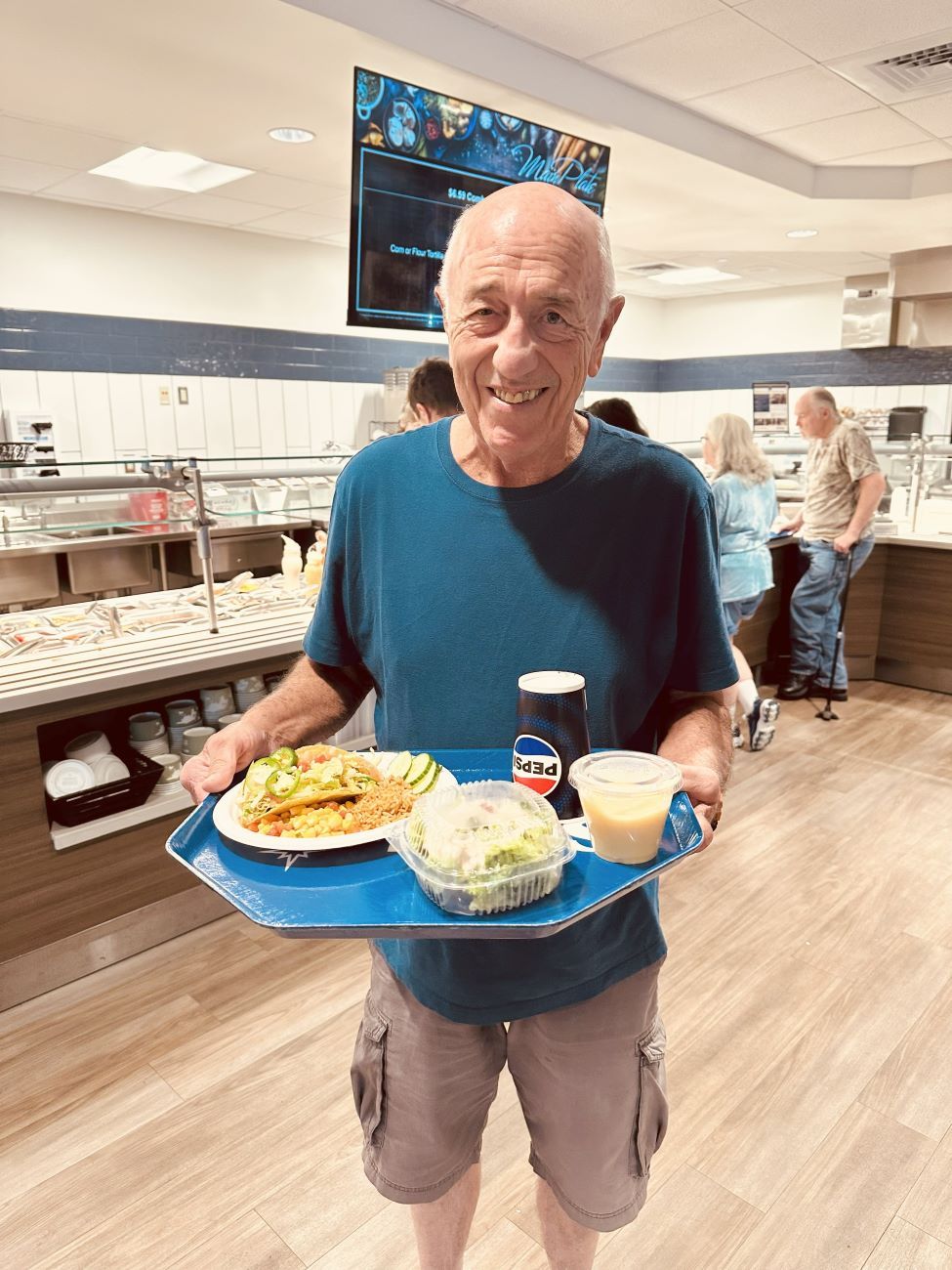
Seniors in markets with St. Luke’s University Health Center locations arrive early and enthusiastically for cuisine and community.
A recent study by the University of Michigan Institute for Healthcare Policy and Innovation, of six years of data from the National Poll on Healthy Aging, found that as of late 2024 loneliness and isolation among older Americans had mostly returned to pre-pandemic rates, but more than one third of people age 50 to 80 still feel lonely. And those dealing with major physical health or mental health issues continue to have much higher rates of loneliness and social isolation than others. Metz saw similar trends in its operations.
“We had some internal data from Warren Campus, which had run this program prior and had seen some success,” Furlan says. “COVID halted all of our visitors to the hospital, but once the visiting restrictions were lifted, we started again on a small scale and the program grew and grew.”

Nine St. Luke’s locations have turned the late afternoon from a slow period into a lively scene by hosting senior meals, serving up to 250 meals a day in some cafeterias.
Furlan reports that the popularity of the program has exceeded expectations. Nine St. Luke’s locations now host senior meals, serving up to 250 meals a day in some cafeterias. “And that’s in the late afternoon, which used to be a very slow period,” Furlan notes.
The meal period is from 4 to 6 p.m., but guests usually start arriving earlier; Furlan says they see two to three dozen guests around 3:30, sitting at the tables with their trays, silverware and napkins laid out, drinking a cup of coffee and visiting until serving starts.
Seniors who partake of the program tend to prefer American comfort food, Furlan says. Favorite meals include meatloaf with mashed potatoes, pasta with meatballs and chicken Parmesan.
More recently, the program has incorporated health education, from once a week to once a month, in the form of an informal presentation by a St. Luke’s doctor on an age-appropriate health matter, such as heart or joint health.
“The guests and family members love the program,” Furlan says. “We have a large percentage of repeat customers. They call ahead to ask about menus, so they can plan their week’s dinners based on what we are offering.”
link
More Stories
Banks are becoming bulwarks against scams for vulnerable seniors | Lifestyle
California Spends $300 Million a Year Incarcerating Older Women
New ‘care home’ for seniors aims to bring alternative to home health care