



Wednesday, July 16, marks National Latino Older Adults & HIV/AIDS Awareness Day 2025. Described as “a community mobilization and social marketing campaign spearheaded by the Latino Commission on AIDS,” the annual initiative “highlights the unique experiences of Latino elders at the intersection of aging and HIV, aiming to educate, advocate and uplift the community.”
This year’s awareness day kicks off with a press conference on the steps of City Hall in New York City at 10:30 a.m. Wednesday, July 16. Advocates and community members are invited to attend.
Latinos make up about 19% of the U.S. population but t constitute nearly 30% of new HIV cases (including all age groups). National Latinx AIDS Awareness Day, held each October 15, aims to address these disparities. In contrast, National Latino Older Adults & HIV/AIDS Awareness Day, marked each July 16, gives folks a chance to focus on aging Latinos with HIV.
To illustrate their unique needs, the Latino Commission on AIDS created six infographics using statistics about older Latinos living with HIV in the United States. We’ve posted them below, along with their writeups:
Courtesy of Latino Commission on AIDS
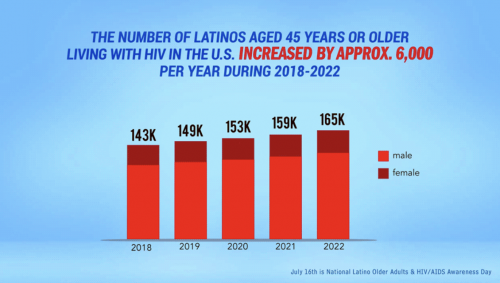
Infographic 1: The number of Latinos ages 45 years or older living with HIV in the United States increased by approximately 6,000 per year during 2018–2022.
Why This Matters:
This sharp increase reflects both progress in treatment access and a growing population aging with HIV. However, it also highlights ongoing gaps in prevention, testing and culturally responsive care for older Latino adults.
What We Need to Consider:
- Aging Latinos with HIV often face multiple layers of stigma tied to age, ethnicity and HIV status.
- Prevention and outreach efforts frequently overlook adults over 45, despite rising rates.
- Community health initiatives must prioritize intergenerational education, routine HIV testing and inclusive messaging that speaks to older adults.
These data call on us to strengthen care systems, challenge stigma and tailor our public health response to meet the realities of Latino communities aging with HIV.
Courtesy of Latino Commission on AIDS
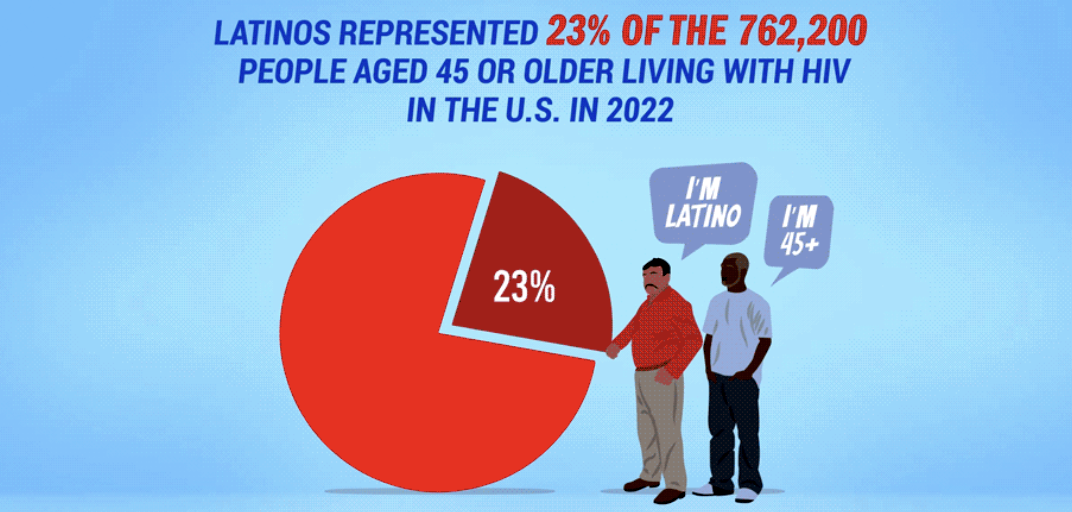
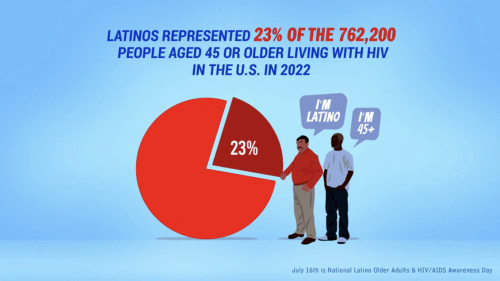
Infographic 2: Latinos represented 23% of the 762,200 people ages 45 or older living with HIV in the U.S in 2022.
Understanding the Numbers:
This means more than 175,000 Latino adults in this age group were living with HIV—a striking overrepresentation compared with their share of the U.S. population.
Why This Matters:
- Health disparities rooted in systemic racism, language barriers, immigration status and lack of access to culturally competent care continue to drive this disproportionate impact.
- Despite these numbers, older Latinos are often invisible in HIV prevention and care efforts.
- There’s an urgent need to center Latino voices and experiences in HIV advocacy, aging services and public health strategies.
These figures call for bold, inclusive action to address structural inequities and ensure that Latino older adults living with HIV are seen, heard and supported.
Courtesy of Latino Commission on AIDS
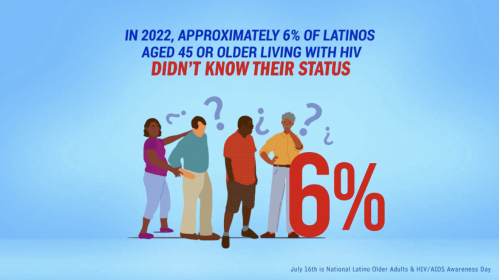
Infographic 3: In 2022, approximately 6% of Latinos ages 45 or older living with HIV didn’t know their status.
What This Means:
In 2022, an estimated 6% of Latinos ages 45 or older living with HIV were unaware of their status. That’s thousands of individuals who may not be receiving the care, support or treatment they need—and who may unknowingly transmit the virus to others.
Why It Matters:
- Late diagnosis is more common among older adults, especially in communities where HIV is still heavily stigmatized.
- Cultural taboos, fear and misinformation often discourage routine testing, particularly in older Latino populations.
- Not knowing one’s status delays access to lifesaving treatment and increases health risks over time.
These data underscore the urgent need for targeted HIV testing campaigns, especially for older Latinos, that are culturally sensitive, judgment-free and easily accessible. Knowing your status is a powerful first step—at any age.
Courtesy of Latino Commission on AIDS
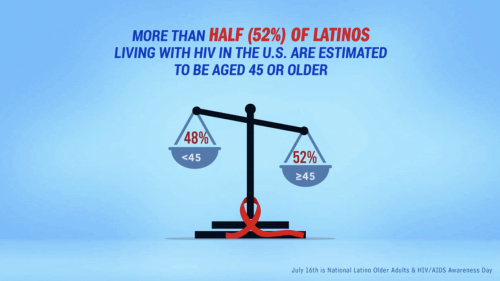
Infographic 4: More than half (52%) of Latinos living with HIV in the United States are estimated to be ages 45 or older.
Why This Matters:
Older adults now represent the majority of Latinos living with HIV. This marks a major demographic shift that reflects both improvements in treatment and longevity and a growing population aging while managing the condition.
Yet this shift is not without concern: Older Latino adults living with HIV often experience compounded stigma tied to age, HIV status and ethnicity, while navigating a health care system that isn’t always prepared to address the realities of aging with HIV.
What We Need to Consider:
- Many of these individuals are long-term survivors who have carried the weight of the epidemic for decades, often without sufficient support.
- Others may be newly diagnosed at older ages, due to missed testing opportunities or stigma that discourages open dialogue about sexual health.
- Gaps in culturally responsive care, age-friendly services and mental health support leave too many older Latinos without the resources they need to thrive.
These data call on us to recognize and respond to the unique health, social and emotional needs of older Latino adults living with HIV. An age-inclusive, culturally competent response is essential to ensure that no one is left behind.
Courtesy of Latino Commission on AIDS
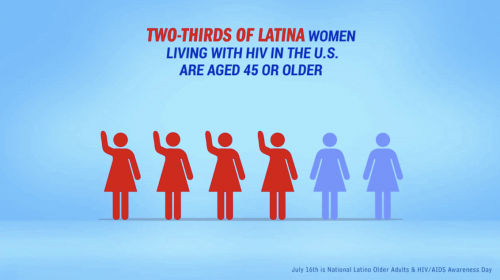
Infographic 5: Two thirds of Latinas living with HIV in the United States are ages 45 or older.
Why This Matters:
This striking statistic sheds light on a population that is too often invisible in HIV discussions: older Latinas who are living longer with HIV, many as long-term survivors and others as women diagnosed later in life.
Their stories are shaped not only by resilience but also by ongoing health inequities, gender-based stigma and cultural silence surrounding HIV, sexuality, and aging.
What We Need to Consider:
- Latinas over 45 often face multiple barriers to HIV prevention, care and support—including caregiving burdens, poverty, lack of insurance and mistrust of health care systems.
- Gendered expectations and cultural taboos can make it difficult to talk about HIV or seek testing and treatment.
- Many older Latinas report feeling invisible in mainstream HIV prevention campaigns and aging services, which often center younger people or men, respectively.
- Tailored interventions that honor lived experiences, address gender dynamics and provide age- and culturally responsive care are needed.
These data demand a reframing of who we see when we talk about HIV and call for community-based solutions that uplift, empower and center older Latina women living with HIV.
Courtesy of Latino Commission on AIDS
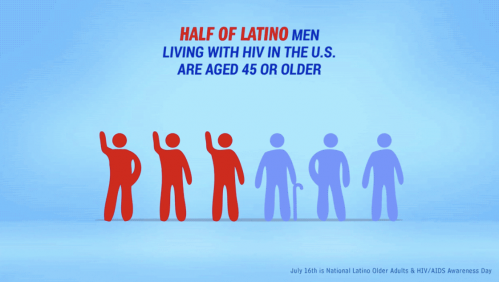
Infographic 6: Half of Latino men living with HIV in the United States are ages 45 or older.
Why This Matters:
This major demographic shift reflects the success of HIV treatment in extending life but also signals the need to reimagine HIV care, prevention and support through the lens of aging.
For many Latino men, living with HIV at midlife or older means navigating the complex intersection of stigma, masculinity, cultural expectations and structural barriers that affect health outcomes and quality of life.
What We Need to Consider:
- Older Latino men living with HIV may experience social isolation, untreated mental health concerns or fear of discrimination in both aging services and HIV care settings.
- Cultural pressures around masculinity and silence about sexual health can lead to delays in testing, care and open conversations with providers.
- Many Latino men are long-term survivors who have endured the trauma of the early HIV epidemic and need specialized trauma-informed care.
- Current public health messaging and services often fail to reflect their realities, priorities and identities.
These data challenge us to ensure that older Latino men living with HIV are seen, respected and supported through health systems that value their experiences and through community networks that affirm their dignity.
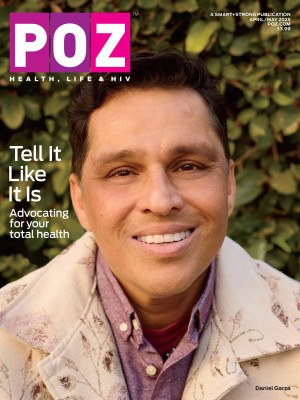
Latino health advocate Daniel Garza on the cover of POZ April/May 2025
To learn more, check out the POZ Basic “HIV and Latinos” and click the hashtag #Latino, where you’ll find headlines such as “How the Media Can Help Fight HIV in Latino Communities,” “Reducing Barriers to HIV Prevention Among Latinos in Texas” and the recent POZ cover story “Laughter Is the Best Medicine,” a profile on HIV and cancer advocate Daniel G. Garza, who uses humor to educate about sexual health and living a positive life.
Click here to learn more about 2025 HIV and AIDS awareness days, and click here for a printable poster.
link
More Stories
Banks are becoming bulwarks against scams for vulnerable seniors | Lifestyle
California Spends $300 Million a Year Incarcerating Older Women
New ‘care home’ for seniors aims to bring alternative to home health care