



Known as “Keith’s Law,” House Bill 144 was signed by Governor Mike DeWine in October 2025 and goes into effect on Jan. 19.
WOOD COUNTY, Ohio — A new Ohio law aims to reduce communication barriers between first responders and those with mental disabilities.
Known as “Keith’s Law,” House Bill 144 was signed by Governor Mike DeWine in October 2025 and goes into effect Jan. 19.
Ohio State Sen. Theresa Gavarone (R – District 2) said it’s an extension of the Communication Disability Law, which has been in place since 2018.
The voluntary database gives people the option to list a communication or mental disability on their license plate and drivers license, notifying first responders during a traffic stop.
She said Keith’s Law will expand that knowledge to all first responders in the state, including firefighters and EMS.
“The idea is really to create safety when law enforcement has that split second to make a decision. When we can give them a heads up that the interaction may not be typical and it’s due to a medical condition,” Gavarone said.
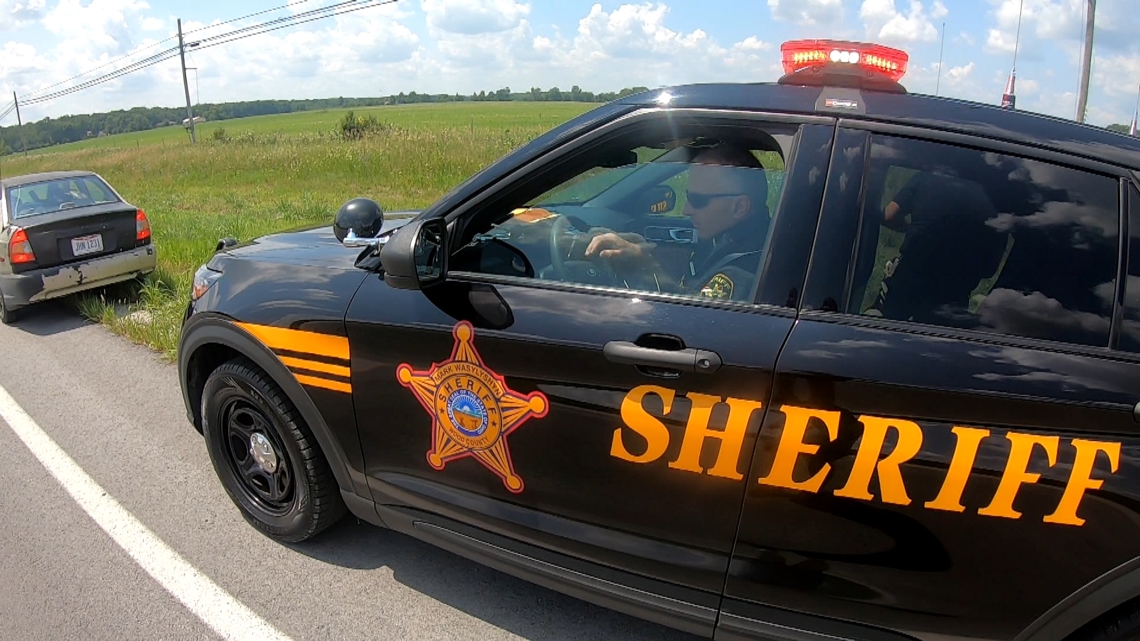
Wood County Sheriff Mark Wasylyshyn said the department already has a similar system, but only within Wood County. Keith’s law would expand the database statewide.
“I am really excited about this because knowledge is power and the more information that a deputy has or a law enforcement officer has on a traffic stop, especially if he’s dealing with someone in a challenging situation where the person maybe is not communicating well or having some other physical ailments or mental health issues, it’s very helpful,” Sheriff Wasylyshyn said.
As a former patrol officer, Sheriff Wasylyshyn recalled a traffic stop where knowing the person’s medical information would’ve been crucial.
“The person acted like he was very intoxicated and fortunately, my chief at the time was monitoring the radio traffic from home and knew that the person was a diabetic. And said, ‘No, get the squad out there. That person’s a diabetic.’ And he was correct. The person had not been drinking alcohol,” Sheriff Wasylyshyn said.
Gavarone, a co-sponsor of the bill, said the push for legislation came from a Walbridge mother of two autistic sons, worried about their safety if they were ever pulled over.
“They can put the car that they’re regularly associated with. When the license plate is run, it would show that there’s a disability associated with that vehicle.”
Sheriff Wasylyshyn said all deputies and dispatchers go through mental health awareness training, but having this accessible in a statewide database on top of other information is a game-changer.
“All of our warrants, all your license plate information, driver’s license information, drivers’ history, all those things are in the LEADS system,” he said. “There are a lot of things that are in there that are helpful for us to do our job better. So adding this to the list of items that are in there, it’s a good thing.”
It’s optional for individuals to offer this information, but Sheriff Wasylyshyn explained that the extra knowledge is a huge help.
“I’ve been hearing about this bill from the beginning, and I’ve been a supporter of this bill because it helps us do our jobs so that we can serve the citizens much better because we have more information,” he said. “So again, I get privacy issues, and that’s their choice, but if they’re on the fence, I would ask that they put it in there to help us help them.”
Those interested in participating in the database can find a disability verification form on the Ohio Department of Disabilities website and bring the form, which must be signed by a doctor, to the BMV.
link
More Stories
Preparing a “Landing Pad”: Mitigating OBBBA’s Harms to the Medicaid Safety Net
Adults with Intellectual and Developmental Disabilities Face Critical Mental Health Care Gaps, New Study Finds
Alabama Neurodevelopment Center aims to boost mental health resources in Birmingham, the state