



Written by Siddhi Patil,

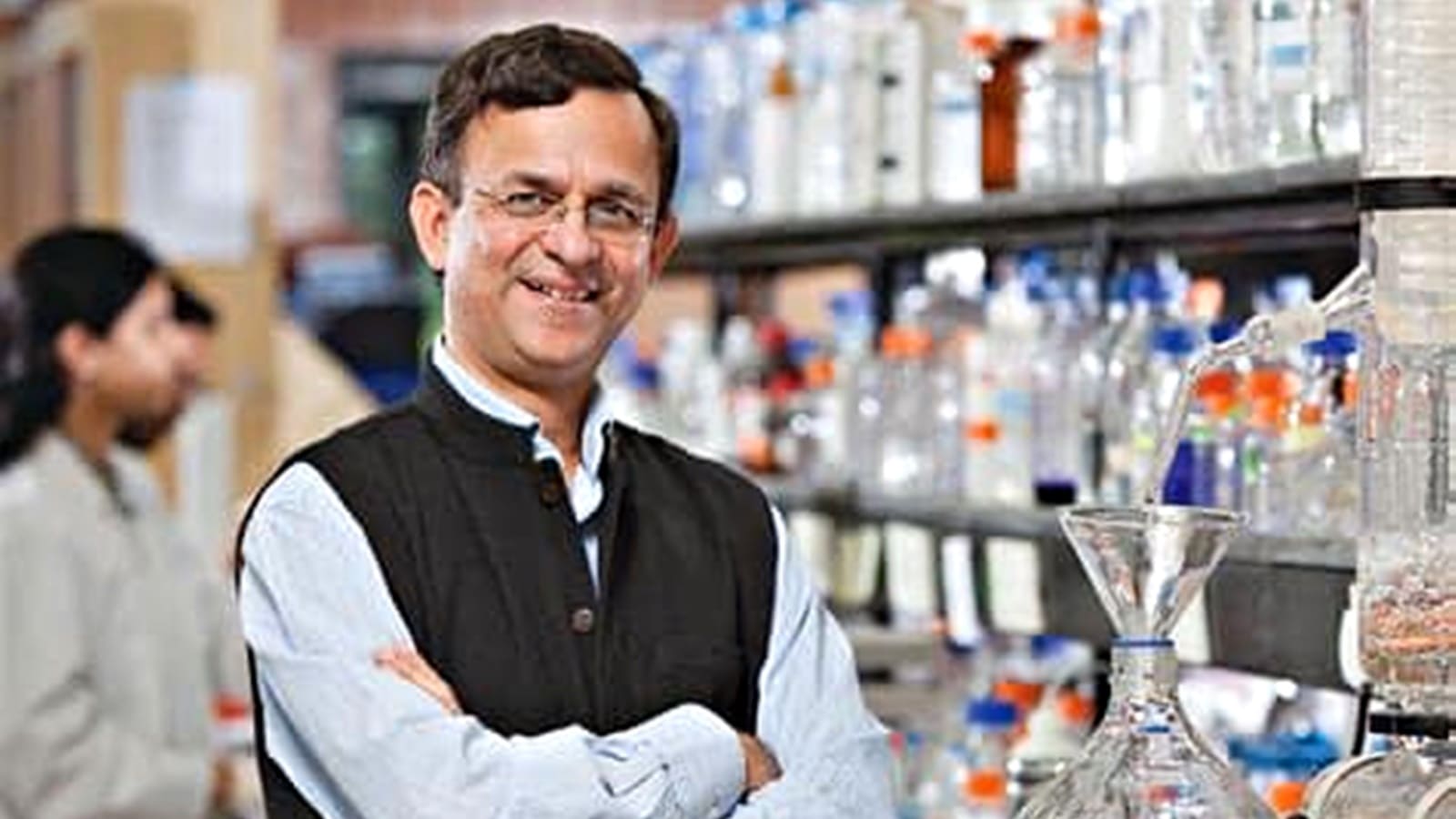
Dr Chetan Eknath Chitnis, a globally renowned Indian scientist, has dedicated his life to combating malaria, a persistent global health challenge claiming countless lives annually. His groundbreaking work in malaria vaccine development has earned him the prestigious Padma Shri this year, alongside awards like the Shanti Swarup Bhatnagar Award and the Infosys Prize. Remarkably, Dr. Chitnis shares a rare distinction with his father, Eknath Vasant Chitnis, a Padma Bhushan recipient (1985) and a founding member of the Indian Space Research Organisation (ISRO). This rare father-son duo’s Padma honors reflect a deep family legacy of scientific excellence, with both making transformative contributions to their respective fields.
Dr. Chitnis’s journey in medical research is deeply rooted in his upbringing. His father, a distinguished space scientist and former director of ISRO’s Space Application Centre, instilled a passion for dedicated work. “My father taught me that true commitment means loving what you do, no matter the hours,” Dr. Chitnis recalls. While he initially pursued physics, inspired by his father’s rigor, it was his mother, a biochemist focused on cancer research, who steered him toward biology. This pivot led him to lead the Malaria Parasite Biology and Vaccines Unit at Institut Pasteur in Paris, where he drives innovative vaccine research to curb malaria’s devastating impact.
Pune holds a special place in Dr. Chitnis’s heart. Childhood summers spent at his grandparents’ home in Deccan Gymkhana, exploring nearby hills with cousins, evoke memories of a serene, green Pune. His parents’ decision to settle in the city post-retirement deepened his connection. Today, as Pune evolves into a bustling hub of innovation, Dr. Chitnis is eager to engage with its academic and research communities, blending personal nostalgia with professional aspirations.
From IIT Bombay to UC Berkeley, the National Institutes of Health, and the International Centre for Genetic Engineering and Biotechnology (ICGEB) in Delhi, Dr. Chitnis’s career spans continents. His work at ICGEB, supported by robust government backing, laid the foundation for his current efforts in Paris. A significant breakthrough came during the COVID-19 pandemic when delayed vaccine trials at Oxford revealed that a 14-month gap between doses reduced malaria parasite growth—an unexpected finding inspired by similar COVID-19 vaccine insights. This discovery, coupled with advancements in mRNA technology, fuels his cautious optimism for future malaria solutions.

The Padma Shri holds deep significance for Dr. Chitnis. “Being recognised by my homeland, even after a decade abroad, is humbling,” he says. He views the award as a tribute to his team’s collective efforts and a call to continue serving society.
link
More Stories
McConnell secures $2.6B in federal funding for Kentucky, boosting Louisville redevelopment and research
North America Pre-clinical Scientific Research Medical Device Market Report 2033
75 years ago, her cells were taken without consent. Today her family honors her legacy to make sure it never happens again